Author: Liaba Khan
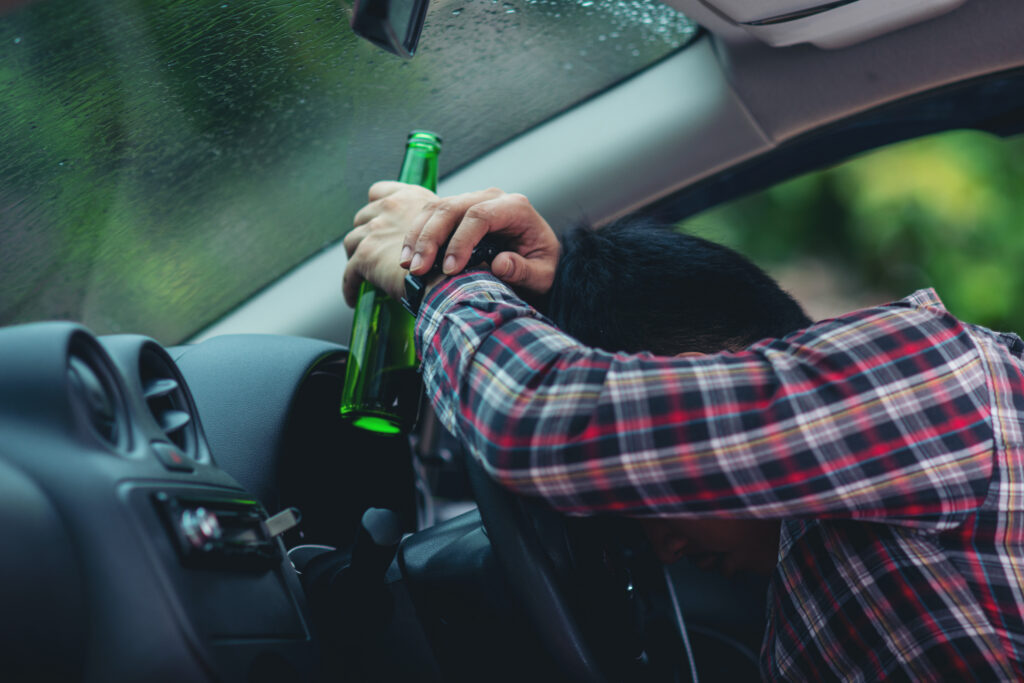
Driving under the influence is a well-known public safety issue, but a new behavior is drawing concern as well. Driving after using alcohol and cannabis at the same time, often known as crossfading, has been growing as well. A recent study of nearly 2,000 young adults in Washington State offers clear insight into how common this behavior is, and what young adults believe their own peers are doing.
What is SAM Use?
The study focuses on Simultaneous Alcohol and Marijuana (SAM) use; meaning the effects of both drugs overlapping. Compared with either substance alone, SAM use impairs driving to a much greater degree. In fact, research has shown it increases:
- Lane weaving
- Time spent outside the lane
- Crash risk (over 10% higher than with alcohol alone)
How Common Is SAM-Impaired Driving?
Although SAM-impaired driving happens less often than alcohol-or cannabis-only impaired driving, it’s still far from rare. This analysis utilized data from the 2019 cohort of the Washington
Young Adult Health Survey (N= 1941) of Washington residents aged 18 to 25.
From the weighted sample:
- 2.7% drove after SAM use in the past month
- 5.3% rode with a SAM-impaired driver
By contrast:
- 11.5% drove after drinking
- 12.4% drove after cannabis use
- 20.9% rode with a cannabis-impaired driver
On a population level, these percentages add up. With more than 460,000 young adults in Washington State, the researchers estimate that over 12,400 young adults may drive under the influence of SAM at least once every month.

Young Adults Dramatically Overestimate How Common SAM-Impaired Driving Is
One of the most striking findings: perceptions of peer behavior are wildly inaccurate.
While only 2 to 5% actually engaged in SAM-impaired driving or riding:
- Nearly half of participants believed a typical person their age did it at least once a month.
This huge gap between reality and perceived norms is concerning because perceived norms strongly influence behavior – especially among young adults.
Approval Matters Even More Than Perceived Frequency
The study examined two types of social norms:
- Descriptive norms
- Beliefs about how often peers engage in behavior.
- Injunctive norms
- Beliefs about whether peers approve or disapprove of the behavior.
Here’s what researchers found:
Injunctive norms were the strongest predictor of impaired driving behaviors.
Young adults who believed others in their community were more accepting of SAM-impaired driving had:
- 3.8x higher odds of driving after SAM use
- 2.9x higher odds of riding with a SAM-impaired driver
- Significantly higher odds of impaired driving after alcohol or cannabis alone
This means approval, or the perception of approval, strongly influences risk-taking behind the wheel.
Descriptive norms mattered mostly for riding, not driving.
Believing others frequently rode with SAM-impaired drivers increased an individual’s odds of doing the same.
However, descriptive norms weren’t a strong predictor of SAM-impaired driving itself once other factors were accounted for.

Why This Matters For Prevention
The findings suggest powerful opportunities for intervention:
- Correcting Misperceptions Could Reduce Risk
Young adults massively overestimate how often SAM-impaired driving occurs. Campaigns that highlight the true, much lower rates could reduce risky behavior; like successful alcohol norm-correction programs.
- Targeting Attitudes Could Be Even More Effective
Since perceived approval is a strong predictor, prevention efforts may be more effective if they:
- Reinforce the message that most young adults consider SAM-impaired driving unacceptable
- Build social pressure against the behavior
- Highlight the real dangers of crossfading and driving
- SAM-Specific Risk Education Is Needed
Some young adults believe cannabis “balances out” alcohol impairment, which is a dangerous misconception. SAM use actually increases impairment beyond either substance alone.
What’s Next
The authors recommend:
- Longitudinal studies to understand how these perceptions develop
- SAM-specific prevention messaging
- Community-level campaigns combating inaccurate norms
- Personalized feedback interventions for at-risk groups
Bottom Line
Young adults in Washington State significantly overestimate how common SAM-impaired driving is. While actual rates are lower than alcohol-or cannabis-only impaired driving, SAM-impaired driving poses even greater crash risk.
Most importantly, perceived approval (not actual prevalence) is the biggest predictor of whether a young adult drives under the influence of SAM or rides with someone who does.
Changing these perceptions and correcting inaccurate social norms could be a powerful tool in reducing impaired driving injuries and deaths.