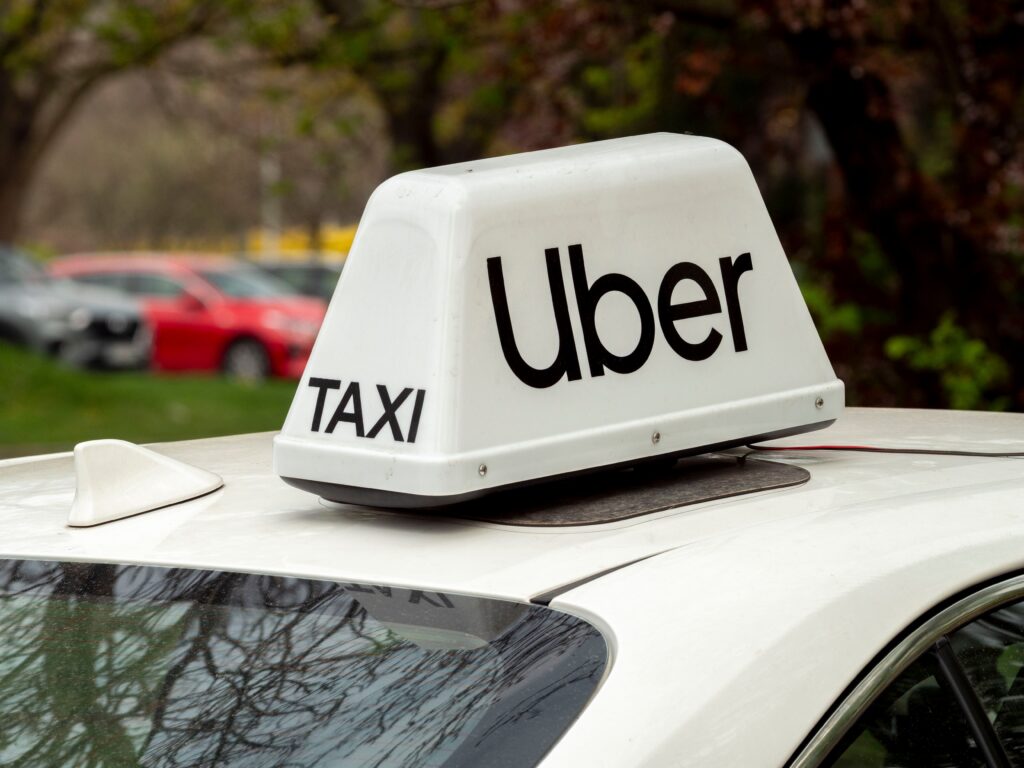
For years, impaired driving prevention efforts have focused on enforcement, education, and legal penalties. A recent study suggests another important tool may already be helping communities reduce drunk driving: ride-sharing services. Researchers examined the impact of Uber’s expansion across Texas and found that ride-sharing may deliver a powerful combination of economic and public safety benefits.
More Transportation Options, More Responsible Choices
The researchers analyzed alcohol sales data from nearly 24,000 Texas restaurants and bars between 2011 and 2017. Their findings showed that when Uber became available in a city, alcohol sales at establishments serving on-site drinks increased by approximately 10%. Sales of beer, wine, and liquor all experienced measurable growth.
The results suggest that consumers may feel more comfortable enjoying a night out when they know they have access to a convenient alternative to driving home. Researchers also found that when Uber temporarily exited several Texas cities because of regulatory disputes, alcohol sales declined, providing additional evidence of the connection between ride-sharing availability and alcohol-related spending.
Fewer Drunk Driving Arrests
While increased alcohol consumption could raise concerns about road safety, the study found a different outcome. Using 40 years of arrest data from San Antonio, researchers examined the relationship between Uber’s availability and driving while intoxicated (DWI) arrests. After Uber entered the market, daily DWI arrests declined by about 5%, with reductions growing over time.
Over the longer term, the effect became even more substantial, with researchers estimating a nearly 25% reduction in daily drunk-driving arrests associated with ride-sharing availability.
These findings suggest that many individuals may choose a ride-sharing service instead of driving after drinking, reducing the likelihood of impaired driving incidents and law enforcement encounters.
Benefits for High-Risk Groups
The study also explored how ride-sharing affected different demographic groups. Researchers found larger reductions in drunk-driving arrests among women, younger adults, and minority populations. Young drivers, particularly those in their late teens and early twenties, showed some of the most significant declines.
These findings indicate that ride-sharing may serve as an especially valuable prevention tool for groups that are often overrepresented in impaired-driving crashes and arrests.
Implications for Impaired Driving Prevention
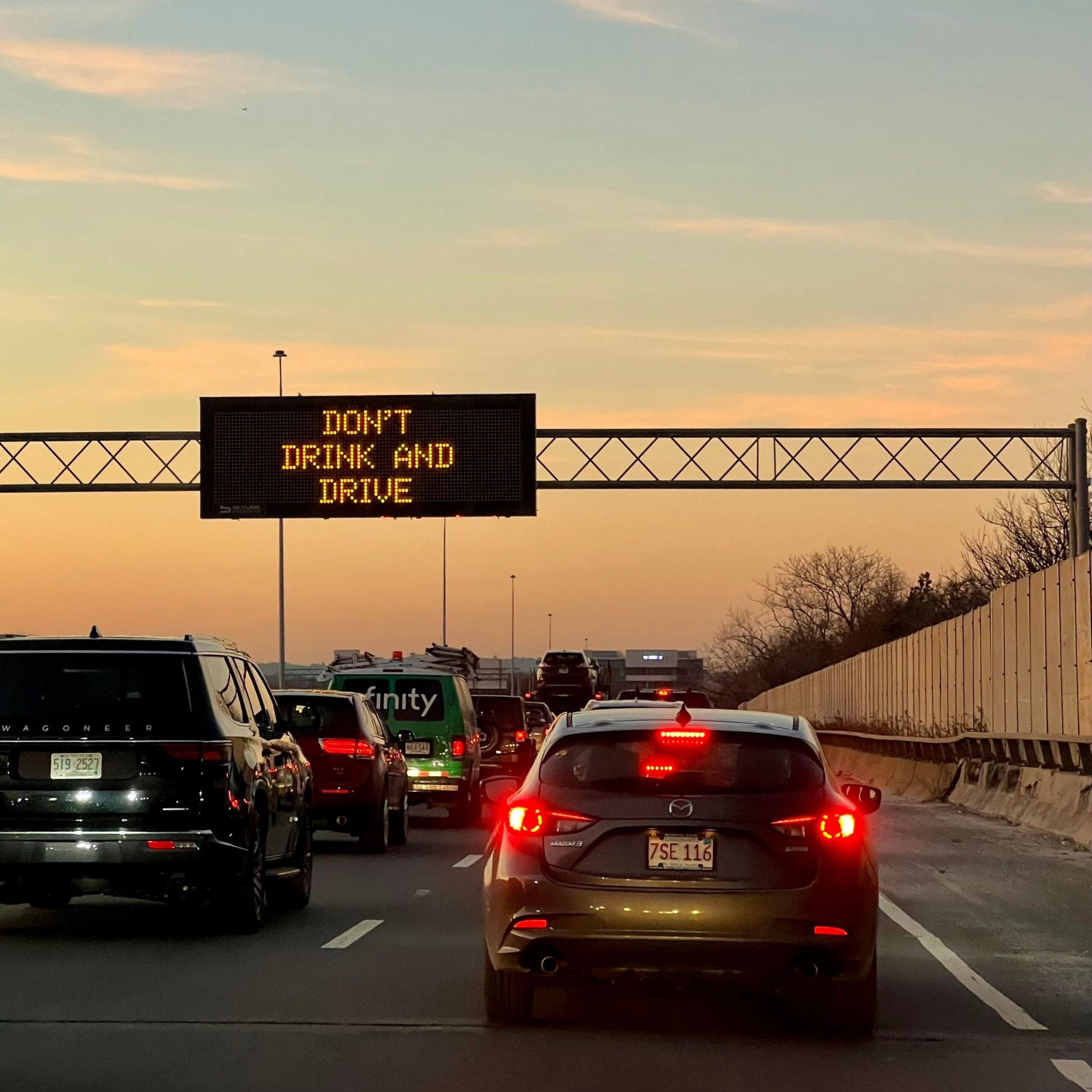
The research highlights the potential value of viewing ride-sharing as part of a comprehensive impaired driving prevention strategy. Rather than replacing traditional approaches such as enforcement campaigns and public awareness efforts, ride-sharing services can complement those efforts by providing a practical alternative when individuals have been drinking.
For policymakers, transportation planners, and traffic safety professionals, the findings suggest that improving access to reliable transportation options may help reduce impaired driving while supporting local businesses and economic activity.
The Bottom Line
This study offers encouraging evidence that ride-sharing services can produce a win-win outcome: increased revenue for restaurants and bars alongside meaningful reductions in drunk-driving arrests. As communities continue searching for effective ways to reduce impaired driving, expanding safe and accessible transportation options may be an important part of the solution.
Source: Galvan, S. V., Kim, Y., & Gretz, R. T. (2026). Drink, but Please Don’t Drive: Spillover Effects of Ride-Sharing on Alcohol Sales and Drunk Driving Arrests. Journal of Public Policy & Marketing, 45(2), 115–138. https://doi.org/10.1177/07439156251385578