Guest Post by Executive Committee Member, Emma Dugas, MADD
Texas Impaired Driving Task Force Education & Prevention Subcommittee: Who We Are.
This subcommittee works to reduce alcohol- and drug-impaired driving through coordinated education, outreach, and prevention strategies. Through collaboration with state and community partners, the group develops and shares evidence-based resources to support prevention efforts and reduce impaired-driving-related crashes, injuries, and fatalities across Texas.
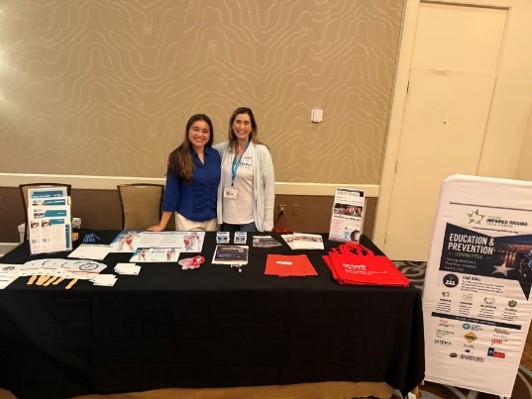
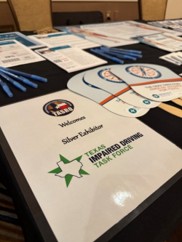
We thought being an exhibitor at the Texas Association of School Resource Officers (TASRO) Conference would be a good opportunity to connect and collaborate with SROs and other school leaders who share a common goal of educating their students and parents about the dangers, consequences, and prevention of underage substance use.
The TASRO Conference is Specialized Training for School-Based Law Enforcement, Administrators, and Counselors to Promote Safety and Well-Being
The Texas Association of School Resource Officers (TASRO) Conference provides specialized training for School-Based Law Enforcement, administrators, and counselors both throughout the year and at its annual school safety conference. Training topics include mental health, legislative updates, drug trends, and other relevant issues.
Collaborating as a Task Force Prevention Subcommittee Member to Empower Schools and Prevent Underage Substance Use Across Texas
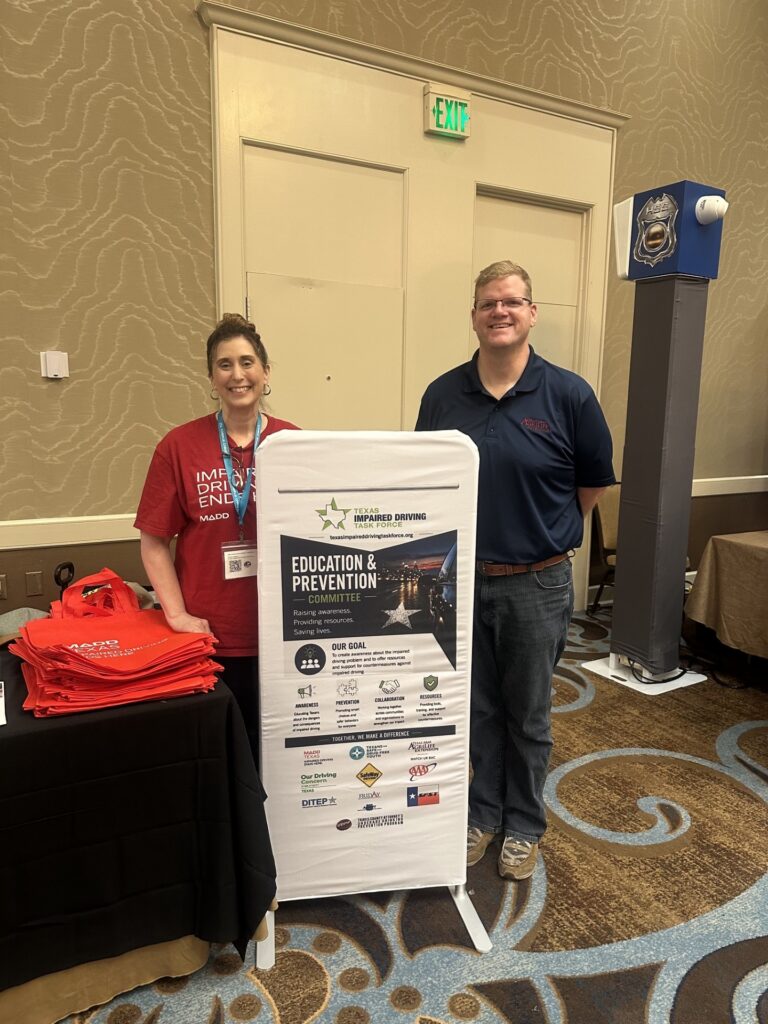
As a subcommittee member of the Texas Impaired Driving Task Force, I found attending and exhibiting at the Texas Association of School Resource Officers (TASRO) Conference both inspiring and impactful. Representing MADD Texas and the Education/Prevention Subcommittee, alongside dedicated community partners, we embraced the opportunity to connect with passionate School Resource Officers (SROs) and school administrators from across the state.
The conference buzzed with energy as professionals gathered to share knowledge, foster collaboration, and champion safety within our schools. Our subcommittee members engaged in meaningful conversations with SROs and administrators, exchanging stories and insights about the challenges they face regarding underage substance use. The warmth and openness of these educators and law enforcement professionals made us feel welcomed and valued.
Through these genuine connections, we discussed the importance of prevention programs for students and parents. We highlighted evidence-based strategies to combat impaired driving and underage substance use, emphasizing how education and awareness can spark positive change in communities. The commitment of SROs to student well-being was truly remarkable, and their eagerness to partner with us in scheduling future presentations reinforced our shared mission.
This also gave us a platform to share the infographic our subcommittee created regarding the new law that makes DWIs a state jail felony in active school zones. Penal Code 49.04 was amended during the 89th Texas Legislature to make DWI a state felony if operating a motor vehicle in a school zone during reduced speed times. This aligns penalties with DWI involving a child passenger.
Through interactive and thought-provoking conversations, the TASRO Conference provided a vibrant platform for networking and learning. It was clear that everyone present was united by a common goal: to safeguard Texas youth and empower them to make healthy choices.
Why It’s Crucial to Teach About Underage Substance Use to Teens and Parents in Schools
Substance use among teenagers is a pressing issue that can have lifelong consequences. While experimentation may seem like a rite of passage for some, the risks associated with underage drinking, vaping, or drug use are far too great to ignore.
Each year, approximately 4,000 people under 21 die from alcohol-related causes. Adolescents who drink alcohol are more likely to experience school absences, lower grades, social and legal issues, and are at greater risk for mental health problems, including depression, suicidal thoughts, and involvement in violence. [1]
Cannabis also impacts a teen’s life with an increased risk of mental health issues, impaired driving, and potential for addiction.[2] Approximately 1 in 10 people who use marijuana/cannabis will become addicted. When they start before age 18, the rate of addiction rises to 1 in 6. [3]
This is why it’s essential for schools to educate both teens and their parents about the dangers and realities of substance use.
Key Reasons/Benefits of Schools Educating on the Prevention of Substance Use
1. Early Intervention Saves Lives
Teens are at a stage where their brains and bodies are still developing. Early education about substance use can prevent experimentation before it starts or stop occasional use from escalating. Informing students about the real risks—addiction, impaired judgment, legal troubles, and negative health outcomes—empowers them to make safer choices.
2. Breaking the Stigma and Myths
There are many misconceptions surrounding drugs and alcohol, from “everyone is doing it” to “one time won’t hurt.” School-based education programs can break down these myths and present factual, age-appropriate information. When parents are included, they too can become informed advocates, reinforcing these lessons at home.
3. Building Communication and Trust
When schools involve parents in substance use education, it fosters open communication between teens and adults. Teens who feel comfortable discussing tough topics with their parents are less likely to engage in risky behaviors. Workshops and informational sessions can equip parents with the tools they need to have honest, nonjudgmental conversations with their children.
4. Creating a Supportive School Environment
A well-informed school community can better identify early signs of substance use and intervene appropriately. SROs, teachers, counselors, and peers all play a role in supporting students who may be struggling. This collective approach ensures that no student feels isolated or ashamed to seek help.
5. Promoting Long-Term Health and Success
Preventing substance use isn’t just about avoiding trouble in the short term; it’s about setting teens up for a healthy, successful future. Teens who abstain from drugs and alcohol are more likely to excel academically, maintain strong relationships, and avoid legal and medical complications.
Conclusion
Teaching about underage substance use in schools—alongside parents—creates a powerful support system for teens. Education, open dialogue, and a community approach can prevent substance use before it starts or help those already affected find the help they need. Investing in this education is an investment in the future health and well-being of our youth.
As we look ahead, we are excited to work alongside these inspiring SROs and school leaders to bring impactful prevention presentations to students and parents across the state. Our collaboration at TASRO has laid the foundation for a promising partnership that will help shape the future of Texas communities, one school at a time.
Together, we are committed to making a difference, creating safer schools, supporting families, and fostering a culture of responsibility and resilience.
[1] CDC, Underage Drinking Fact Sheet (2023), cdc.go
[2] Centers for Disease Control and Prevention. (2024, February 15). Cannabis and teens. https://www.cdc.gov/cannabis/health-effects/cannabis-and-teens.html
[3] Substance Abuse and Mental Health Services Administration (SAMHSA). (2025). Know the effects, risks and side effects of marijuana. U.S. Department of Health and Human Services. https://www.samhsa.gov/substance-use/learn/marijuana/risks