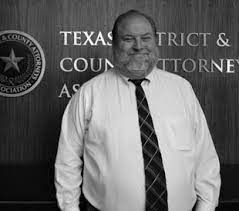
W. Clay Abbott is the DWI Resource Prosecutor with the Texas District and County Attorneys Association. He graduated from Lubbock Christian University in 1984 with a BA in History, magna cum laude. He graduated from the Texas Tech School of Law in 1986 with a JD, cum laude. He was inducted into the Order of the Coif in 1987. From 1987 until 1990 Clay was with the Lubbock County Criminal District Attorney’s Office, where he left as the Trial Chief of the 140th District Court. He was in solo practice in Lubbock until 1995 when he rejoined the Lubbock CDA as Chief Deputy. Clay served as an adjunct professor at the Texas Tech School of Law from 1990-1999. In 2000 he became general counsel at the Texas Municipal Court’s Education Center. He left judicial education to join TDCAA in 2004.
Session: Coordinating Roles in Drugged‑Driving Cases
Prosecuting drugged driving cases is more difficult than trying traditional alcohol cases. Start with the absence of a per se BAC limit, go on to multi-substance impairment and finish with substances less well known to jurors: drugged driving prosecutions are complicated. But they are not impossible. The prosecutor must coordinate with three distinct kinds of witnesses. First there is the arresting officers that’ saw and noted and can testify to unique signs of impairment. Second there is the DRE who can tie those observations and other evidence to a particular kind or kinds of impairing substances. Finally, there is a Toxicologist that can explain what was found in the suspects blood and how that “Could” impair an individual. Missing one of these witnesses might make the case unwinnable. This session will feature an expert in each role discussing how they work together and build on each other to make a prosecutable case.
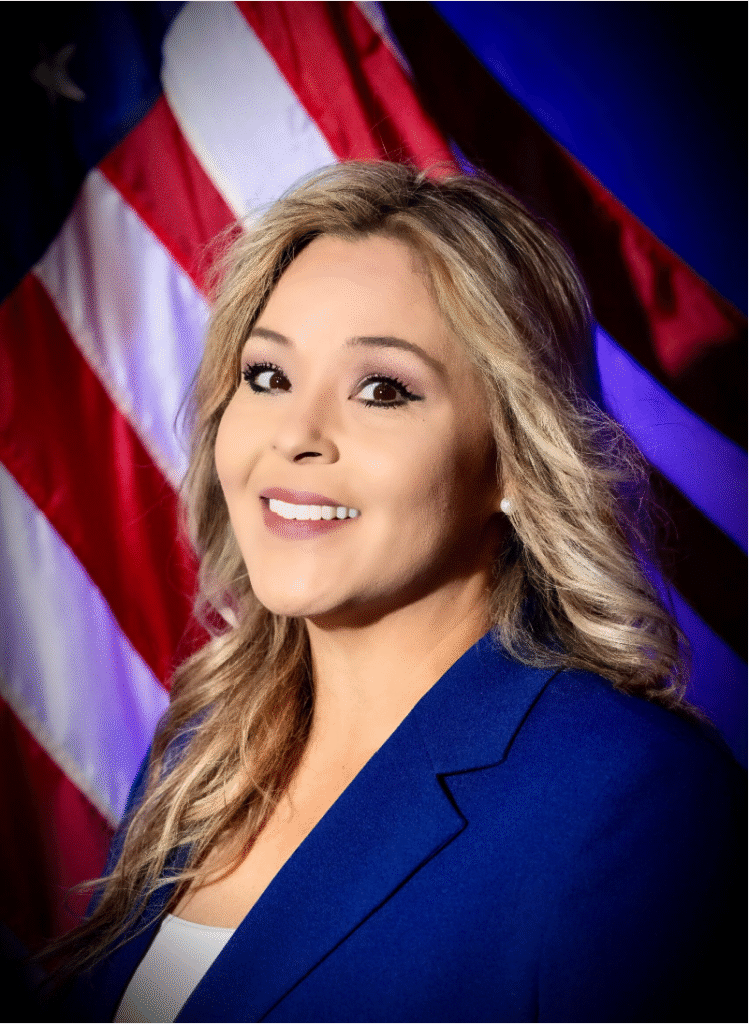
Katie Alexander is a dedicated Law Enforcement Liaison (LEL) in Texas, with over 20 years of experience in law enforcement and public safety. As a master police officer, she continues to serve her community with the City of Southside Place and the City of Oak Ridge North Police Department. Throughout her career, Katie has worked in several areas of law enforcement, including traffic enforcement, domestic violence, child abuse, narcotics, and SWAT operations. She has also had the opportunity to teach as an adjunct professor of psychology and has shared her experiences through presentations at local, state, and national conferences. Katie holds a Bachelor’s degree in Criminal Justice, a Master’s degree in Psychology, and a Ph.D. in Psychology.
Session: Coordinating Roles in Drugged‑Driving Cases
Prosecuting drugged driving cases is more difficult than trying traditional alcohol cases. Start with the absence of a per se BAC limit, go on to multi-substance impairment and finish with substances less well known to jurors: drugged driving prosecutions are complicated. But they are not impossible. The prosecutor must coordinate with three distinct kinds of witnesses. First there is the arresting officers that’ saw and noted and can testify to unique signs of impairment. Second there is the DRE who can tie those observations and other evidence to a particular kind or kinds of impairing substances. Finally, there is a Toxicologist that can explain what was found in the suspects blood and how that “Could” impair an individual. Missing one of these witnesses might make the case unwinnable. This session will feature an expert in each role discussing how they work together and build on each other to make a prosecutable case.
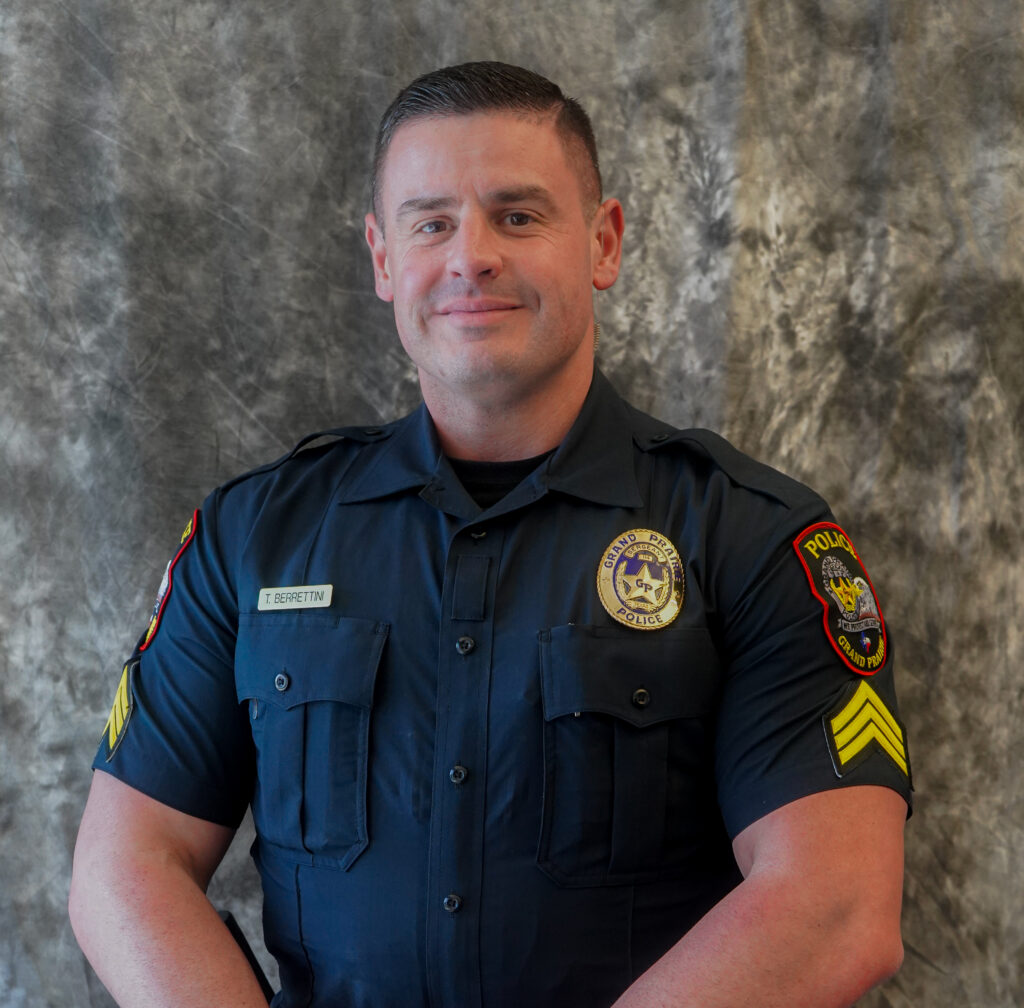
Sergeant Thomas Berrettini is a Patrol Sergeant with the Grand Prairie Police Department in Texas, bringing nearly two decades of law enforcement experience with a focus on impaired driving enforcement and vehicle-related investigations. He has served in multiple specialized roles, including Field Training Officer, SFST Instructor, Drug Recognition Expert (DRE), Advanced Collision Investigator, and Detective in the Vehicle Crimes Unit, where he investigated serious injury and fatality crashes, many involving intoxicated drivers. Sergeant Berrettini is an active member of the Dallas County DWI Task Force, collaborating with regional agencies and prosecutors to coordinate enforcement initiatives and reduce impaired driving. In his current role, he is committed to mentoring officers and strengthening DWI investigations through practical, experience-based training, with an emphasis on case articulation, evidence collection, and successful prosecution.
Session: Dedicated DWI Teams: Strengthening Impaired‑Driving Enforcement
This session, led by experienced law enforcement officers, explores how dedicated DWI enforcement teams strengthen impaired‑driving countermeasures through specialized training, proactive patrol tactics, and coordinated case development. A panel of representatives from three agencies—each at a different stage of building, expanding, or sustaining a DWI team—will share their real‑world experiences, successes, and challenges. Attendees will gain practical insights into structuring high‑impact enforcement units, improving alcohol‑ and drug‑impairment detection, and implementing strategies that meaningfully reduce impaired‑driving crashes. The session offers actionable guidance for jurisdictions seeking to elevate their impaired‑driving response through focused, data‑driven, and collaborative enforcement approaches.
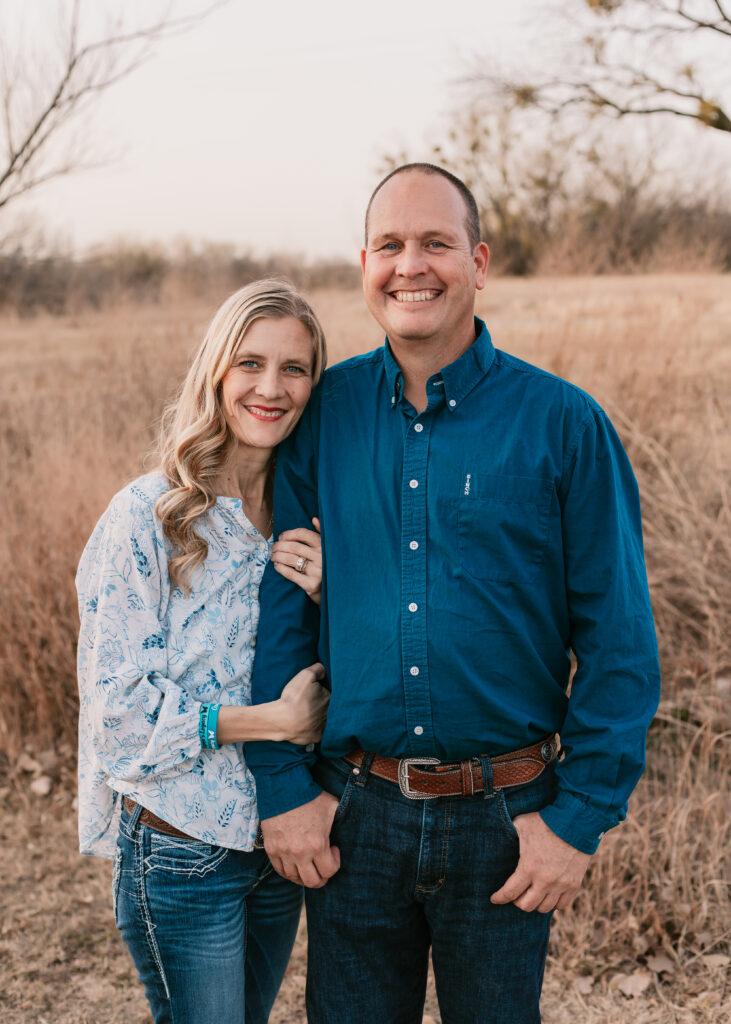
Jennifer & Drew Blessing are the founders of Your One Choice, a nonprofit organization created in honor of their daughter, Aspen. After experiencing an unimaginable loss caused by one decision, The Blessing family turned their grief into purpose—dedicating their life to educating others about how one choice can change everything. They founded Your One Choice to honor Aspen’s legacy and to share a message that resonates with audiences of all ages—every choice carries weight, and one choice can change everything.
The Blessing family shares Aspen’s story in schools, churches, community events, law enforcement agencies, and civic organizations. Their message is honest, heartfelt, and impactful—reaching students, first responders, and families alike.
Their mission seeks to save lives by opening hearts and minds to the real consequences of impaired and distracted driving—through powerful stories, honest conversations, and a message that every choice matters.
Session: Pause for Purpose, Opening Plenary
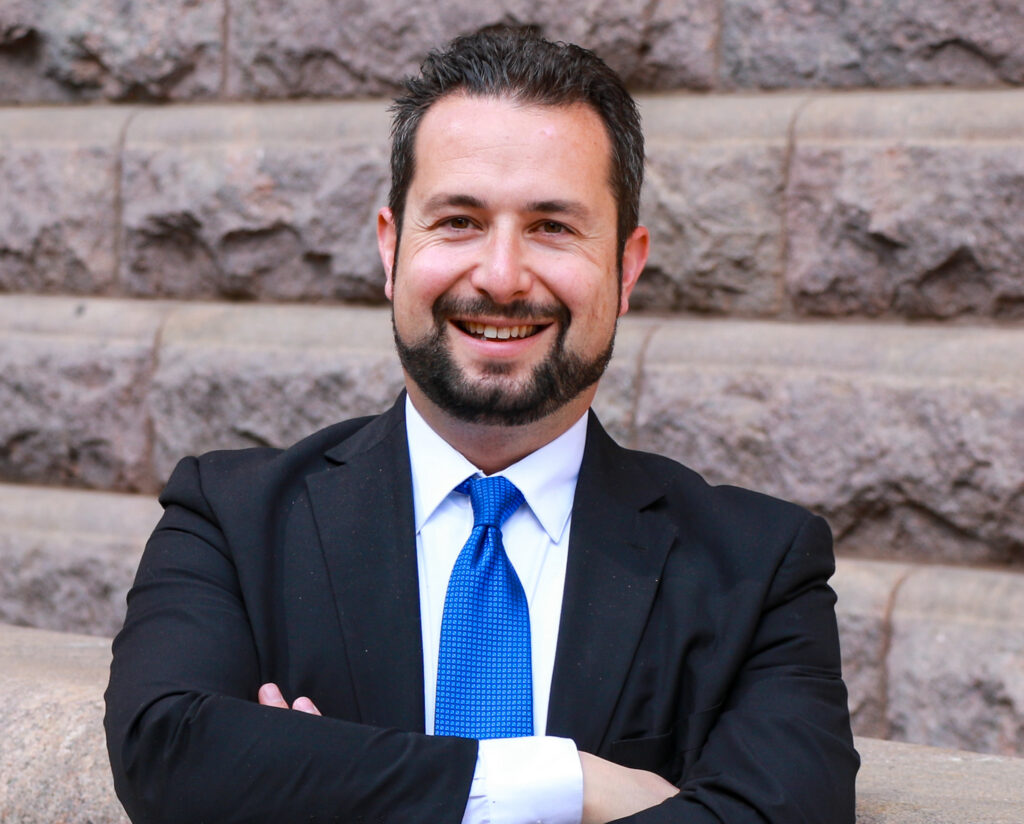
David has been the Chair of Minnesota’s DWI Task Force for 12 years. In that capacity, he leads monthly meetings, has drafted DWI legislation, and testified before the Minnesota legislature. David is also the Deputy City Attorney of the criminal division of the Minneapolis City Attorney’s Office, which has a dedicated DRE team and prosecutes the most DWI cases of any prosecution office in the state of Minnesota. David regularly presents trainings to attorneys, law enforcement, toxicologists, and traffic safety professionals.
Session: Statewide Responses to Drug and Polysubstance‑Impaired Driving
This panel brings together administrators from statewide impaired‑driving task forces to examine emerging challenges and coordinated responses to drug and polysubstance‑impaired driving. Panelists will discuss current statewide strategies, data‑informed approaches, cross‑agency collaboration, and promising practices aimed at reducing impairment‑related crashes. Attendees will gain practical insights into how states are adapting policies, training, and public‑health initiatives to address the growing complexity of multi‑substance impairment on today’s roadways.
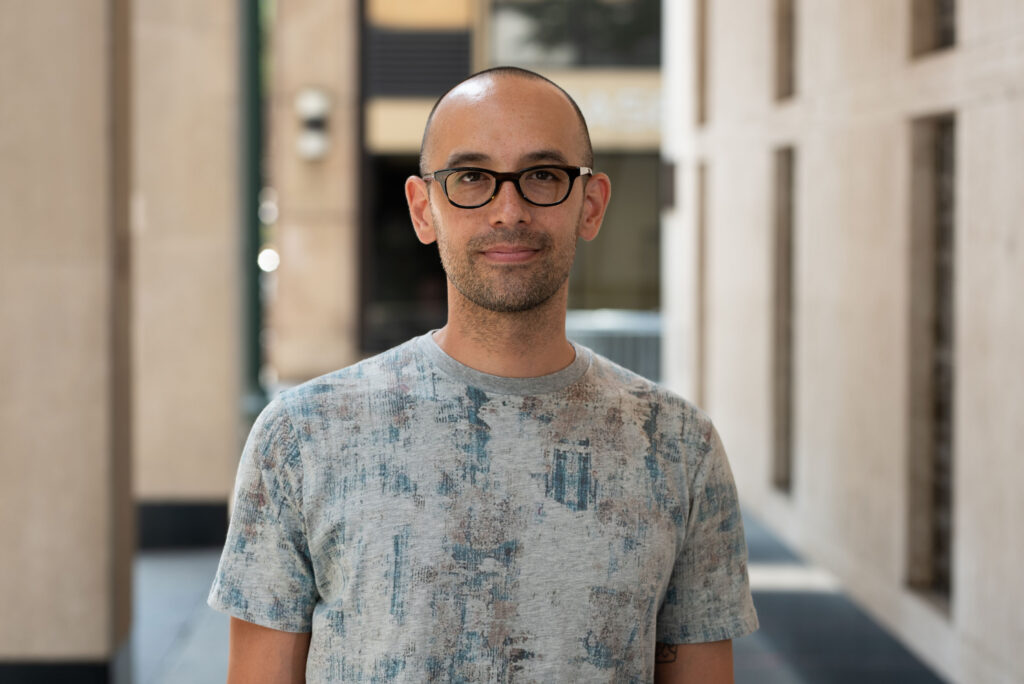
As SVP, Campaigns & Programs at the Ad Council, Dzu partners with leading creative agencies, corporate brands, media and technology platforms, and nonprofit and government to drive public education, awareness and action. Dzu has over 20 years of experience working in the creative and social impact space and his campaigns have gone on to win numerous accolades, including Cannes Lions, Effies, Clios, and an Emmy.
Dzu has led the strategic and creative development of culture changing and award-winning Ad Council campaigns, including “Tear the Paper Ceiling,” which addresses the invisible barrier for workers with skill and no bachelor’s degree, and “Love Has No Labels,” the groundbreaking diversity and inclusion campaign. Dzu currently oversees HHS’ Adoption From Foster Care campaign, NHTSA’s Buzzed Driving, Drug-Impaired Driving, Child Car Safety, Heatstroke Prevention and Distracted Driving Prevention campaigns and Opportuntiy@Work’s Skills-First Hiring campaign.
Dzu’s work has also included the iconic UNCF Supporting Minority Education “Minds A Terrible Thing To Waste” campaign and the Ad Council’s impactful COVID-19 Vaccine Education Initiative, which contributed to building trust and reducing hesitancy nationwide.
Prior to joining the Ad Council, Dzu held account management positions at Grey Advertising and Doremus working on Novartis Consumer Health brands, Johnson & Johnson, O-I Glass, US Bank and Visa. He has a B.A. in Women’s Studies from Hamilton College and lives in the Catskill Mountains with his family and dog Murdoch.
Session: Drug Impaired Driving Prevention Campaigns
Drug‑impaired driving is an increasingly urgent traffic safety issue, and effective public education plays a critical role in addressing it. This session provides a comprehensive look at the development and deployment of a national drug‑impaired driving prevention campaign, from foundational insights to practical implementation. Dzu will explore the audience research, insights, and creative strategy behind the campaign, including example language developed by agency partners and a look at the final creative materials. Attendees will then receive practical guidance on engaging media partners, followed by user‑friendly, step‑by‑step tips designed for participants who may be new to communications or working outside their typical expertise. This session equips traffic safety practitioners, community organizations, and newcomers alike with the knowledge and tools needed to confidently implement and extend drug‑impaired driving prevention efforts.
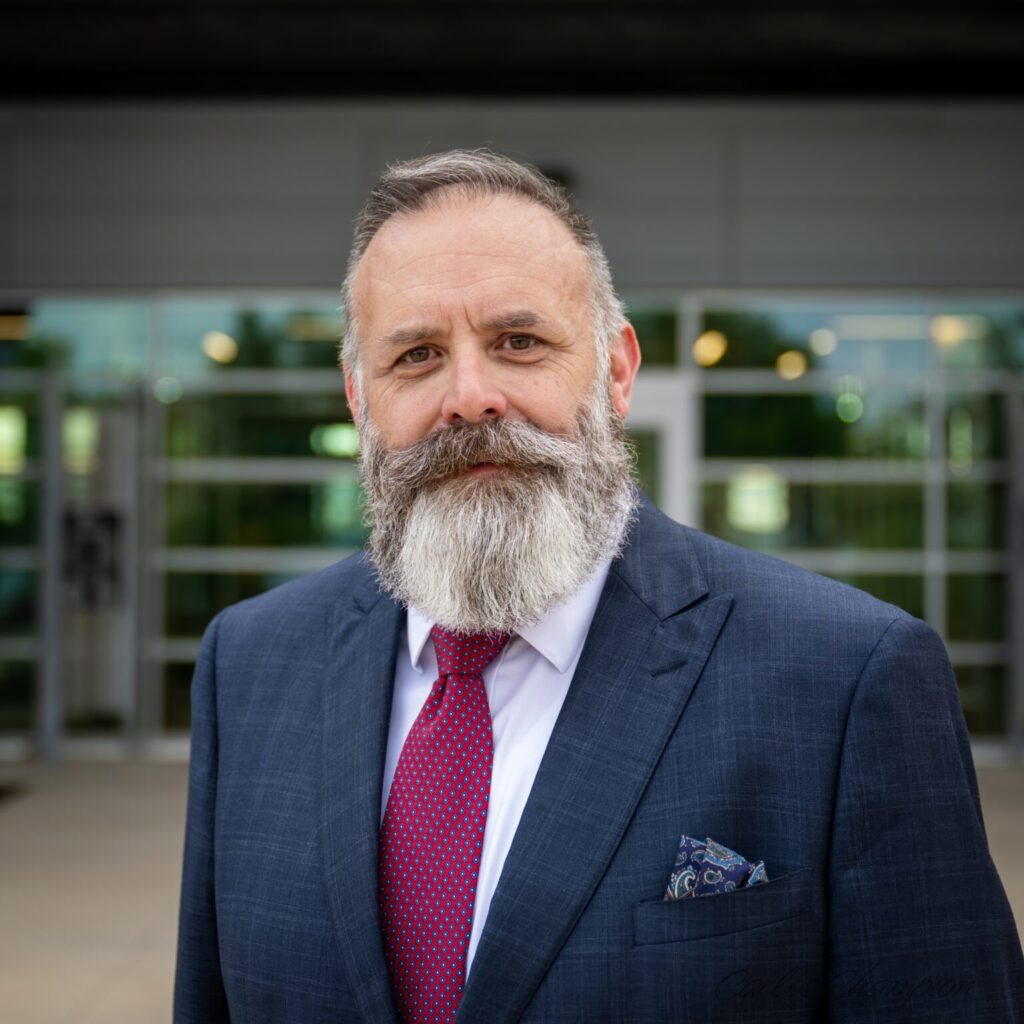
Carlos Champion is the Texas Drug Recognition Expert State Coordinator and Program Manager for the Texas DRE and ARIDE Training Program. Before becoming State Coordinator, he was a twenty-four year veteran with the Edinburg Police Department, retiring honorably at the rank of lieutenant after taking a position with the Texas LEADRS Program. At Edinburg PD, he was assigned to the Training Division where he served as the agency’s training coordinator and field training program commander.
Carlos became a Standardized Field Sobriety Testing (SFST) Instructor in 2001, and was the lead SFST instructor for the Lower Rio Grande Valley Development Council Regional Police Academies in Edinburg, Harlingen, Mission, and Hidalgo and instructed at various other academies and departments across south Texas. He also taught extensive SFST Refresher courses throughout the state. Two weeks prior to his retirement, Carlos taught the 24 hour SFST Practitioner’s Course for the 100th time in his career. In addition to his SFST Instructor experience, he is a Drug Recognition Expert Instructor and Course Manager and Advanced Roadside Impaired Driving Enforcement (ARIDE) instructor. He has taught thousands of officers in impaired driving enforcement topic and qualified as an expert witness in Hidalgo County courts. He is a member of the International Association of Chiefs of Police and an IACP DRE Section member as well.
Session: Coordinating Roles in Drugged‑Driving Cases
Prosecuting drugged driving cases is more difficult than trying traditional alcohol cases. Start with the absence of a per se BAC limit, go on to multi-substance impairment and finish with substances less well known to jurors: drugged driving prosecutions are complicated. But they are not impossible. The prosecutor must coordinate with three distinct kinds of witnesses. First there is the arresting officers that’ saw and noted and can testify to unique signs of impairment. Second there is the DRE who can tie those observations and other evidence to a particular kind or kinds of impairing substances. Finally, there is a Toxicologist that can explain what was found in the suspects blood and how that “Could” impair an individual. Missing one of these witnesses might make the case unwinnable. This session will feature an expert in each role discussing how they work together and build on each other to make a prosecutable case.
Kyle Clark retired from the Naples, Florida, Police Department after twenty years of service. He was the Florida Drug Evaluation and Classification (DEC) Program coordinator for nine years, and a former assistant director for the Institute of Police Technology and Management. He has trained policing professionals in traffic enforcement, crash investigation, crash reconstruction, and impaired driving throughout the US. He has been a drug recognition expert (DRE) since 1999 and a DRE instructor since 2001.
Mr. Clark has also been part of the curricula revision teams for the NHTSA Standardized Field Sobriety Testing curriculum, the Standardized Field Sobriety Testing Refresher Update, Advanced Roadside Impaired Driving Enforcement, and the Drug Evaluation and Classification Program. He is currently a senior program manager for all road safety programs at the IACP, including the DEC Program, and is the chair of the Florida Department of Transportation Impaired Driving Coalition.
Session: Statewide Responses to Drug and Polysubstance‑Impaired Driving
This panel brings together administrators from statewide impaired‑driving task forces to examine emerging challenges and coordinated responses to drug and polysubstance‑impaired driving. Panelists will discuss current statewide strategies, data‑informed approaches, cross‑agency collaboration, and promising practices aimed at reducing impairment‑related crashes. Attendees will gain practical insights into how states are adapting policies, training, and public‑health initiatives to address the growing complexity of multi‑substance impairment on today’s roadways.

David Doggett is the current Deputy Chief over the Law Enforcement Division. He holds a Master of Arts Degree and a Bachelor of Science Degree from Texas Christian University (TCU). He is a Master Peace Officer as well as a Peace Officer Instructor.
He has over 30 years of law enforcement experience, and in his 26th year with TABC. He began his career at TABC in March 2001 assigned to the Corpus Christi District Office as an Agent. In July 2012, he was promoted to Sergeant (Dallas District Office) . In April 2017, he was promoted to Lieutenant and in January 2019 he was promoted to Major (Arlington Regional Office). His duty stations include the Corpus Christi District Office, Dallas District Office, Denton Outpost Office, Arlington Regional Office, and TABC Headquarters (Austin).
He has completed the FBI-LEEDA Leadership Trilogy program. He is also a graduate of the 58th ILEA School of Executive Leadership and has completed the first module in the FBINAA Leadership Certification Program.
Session: Hemp Regulations in Texas: An Update from the Texas Alcoholic Beverage Commission

Lieutenant Robert “Bobby” Garcia has been a Texas Peace Officer since 2005 and currently serves with the Round Rock Police Department. LT. Garcia was one of the original members of the RRPD DWI Unit during its inception in 2018. He also served as the DWI Unit supervisor from 2024-2026. He was recently transferred to the RRPD Patrol Division due to promotion, but his heart remains with the mission of the DWI Team.
Session: Dedicated DWI Teams: Strengthening Impaired‑Driving Enforcement
This session, led by experienced law enforcement officers, explores how dedicated DWI enforcement teams strengthen impaired‑driving countermeasures through specialized training, proactive patrol tactics, and coordinated case development. A panel of representatives from three agencies—each at a different stage of building, expanding, or sustaining a DWI team—will share their real‑world experiences, successes, and challenges. Attendees will gain practical insights into structuring high‑impact enforcement units, improving alcohol‑ and drug‑impairment detection, and implementing strategies that meaningfully reduce impaired‑driving crashes. The session offers actionable guidance for jurisdictions seeking to elevate their impaired‑driving response through focused, data‑driven, and collaborative enforcement approaches.
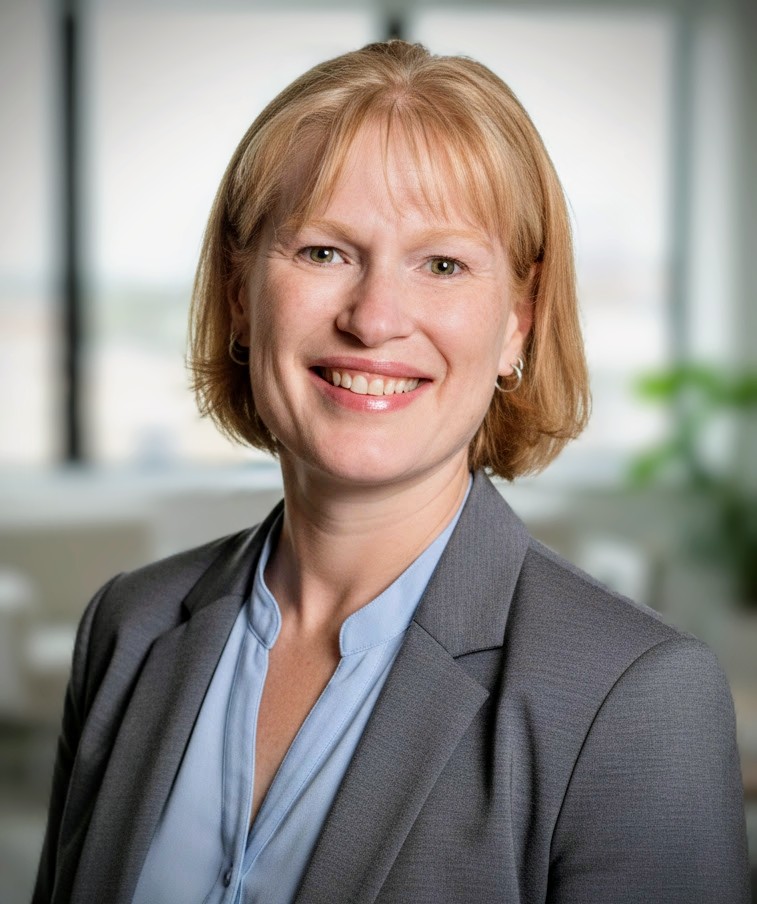
Renée Hawkins received her Bachelor of Arts in Chemistry from the University of Texas at Austin in 1999. She was hired at the Texas DPS Crime Laboratory in the year 2000 in the CODIS section. In 2007, Renée was hired in the Toxicology section and is currently a Supervisor I. She is a member of several toxicology organizations and is board certified as a Diplomate in Forensic Toxicology by the American Board of Forensic Toxicology.
Session: Coordinating Roles in Drugged‑Driving Cases
Prosecuting drugged driving cases is more difficult than trying traditional alcohol cases. Start with the absence of a per se BAC limit, go on to multi-substance impairment and finish with substances less well known to jurors: drugged driving prosecutions are complicated. But they are not impossible. The prosecutor must coordinate with three distinct kinds of witnesses. First there is the arresting officers that’ saw and noted and can testify to unique signs of impairment. Second there is the DRE who can tie those observations and other evidence to a particular kind or kinds of impairing substances. Finally, there is a Toxicologist that can explain what was found in the suspects blood and how that “Could” impair an individual. Missing one of these witnesses might make the case unwinnable. This session will feature an expert in each role discussing how they work together and build on each other to make a prosecutable case.
Cpl. Heagen has been with the Amarillo PD for 11 years. After working a particularly bad fatal accident involving a drunk driver, he realized the need for better DUI enforcement and became an SFST instructor, Intoxilyzer operator and eventually a DRE. He has been instrumental in getting the dedicated Impaired Driving Enforcement Unit started at Amarillo PD and has been a leader for the unit since its inception.
Session: Dedicated DWI Teams: Strengthening Impaired‑Driving Enforcement
This session, led by experienced law enforcement officers, explores how dedicated DWI enforcement teams strengthen impaired‑driving countermeasures through specialized training, proactive patrol tactics, and coordinated case development. A panel of representatives from three agencies—each at a different stage of building, expanding, or sustaining a DWI team—will share their real‑world experiences, successes, and challenges. Attendees will gain practical insights into structuring high‑impact enforcement units, improving alcohol‑ and drug‑impairment detection, and implementing strategies that meaningfully reduce impaired‑driving crashes. The session offers actionable guidance for jurisdictions seeking to elevate their impaired‑driving response through focused, data‑driven, and collaborative enforcement approaches.
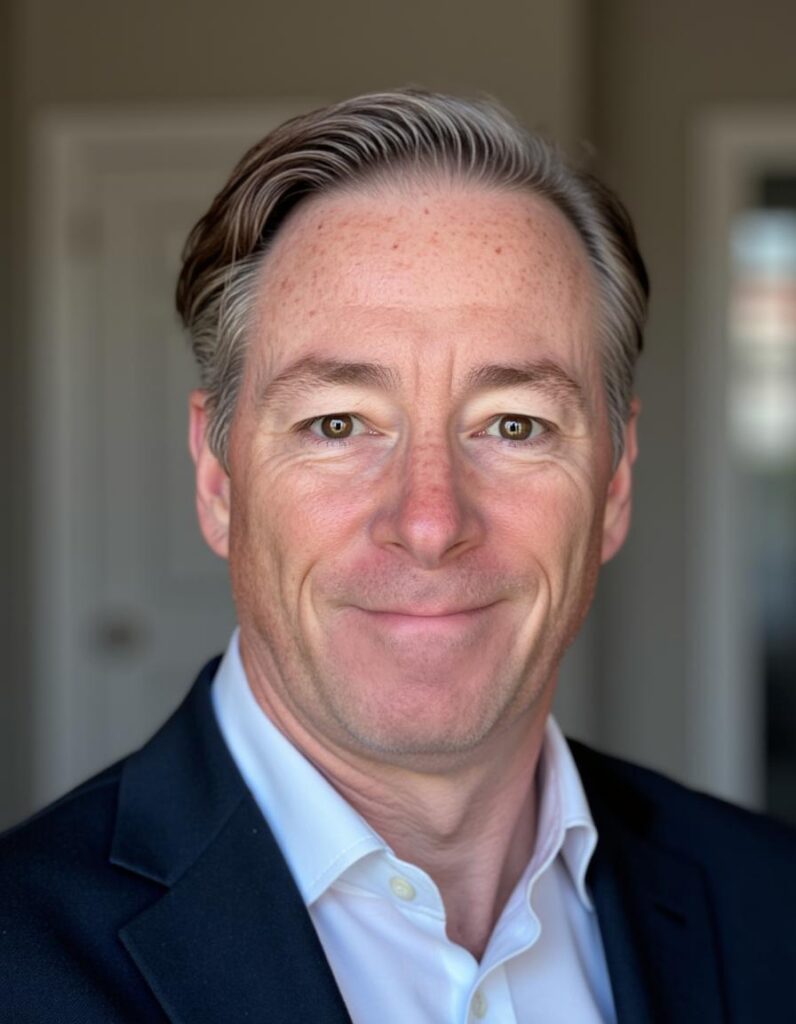
Chris Heartsill is currently certified by the American Board of Forensic Toxicology as a Diplomate – Forensic Toxicology and received his B.S. degree in Chemistry from East Central University in 1991. Chris has been working in analytical chemistry for over 30 years with more than 29 years of forensic toxicology experience including the areas of human performance forensic toxicology, postmortem forensic toxicology, and forensic laboratory quality management. Chris is currently working as the Regional Toxicology Liaison for NHTSA Region 7. He was previously the Quality Manager for the Dallas Police Department Crime Scene Response Section and the Tarrant County Medical Examiner’s Office in Fort Worth, Texas. He spent most of his career as a Toxicology Supervisor, Toxicologist, Quality Manager, and Breath Testing Technical Supervisor at the Dallas County Medical Examiner’s Office in Dallas, Texas. Chris is an active member of the Society of Forensic Toxicologists, currently serving as the Immediate Past President, member of the Finance Committee, and Editor of ToxTalk. Other professional organizations include the Southwestern Association of Toxicologists, serving two individual terms as President, Grant Committee Chair, and Historian, and the National Safety Council Alcohol, Drugs & Impairment Division, serving on the Executive Board as Secretary and performing duties on the Administrative Committee. Chris promotes the creation and advancement of forensic standards by serving on the Organizational Scientific Area Committees Toxicology Subcommittee.
Session: Data Gaps: The Impact of Stop Testing on DWI Data
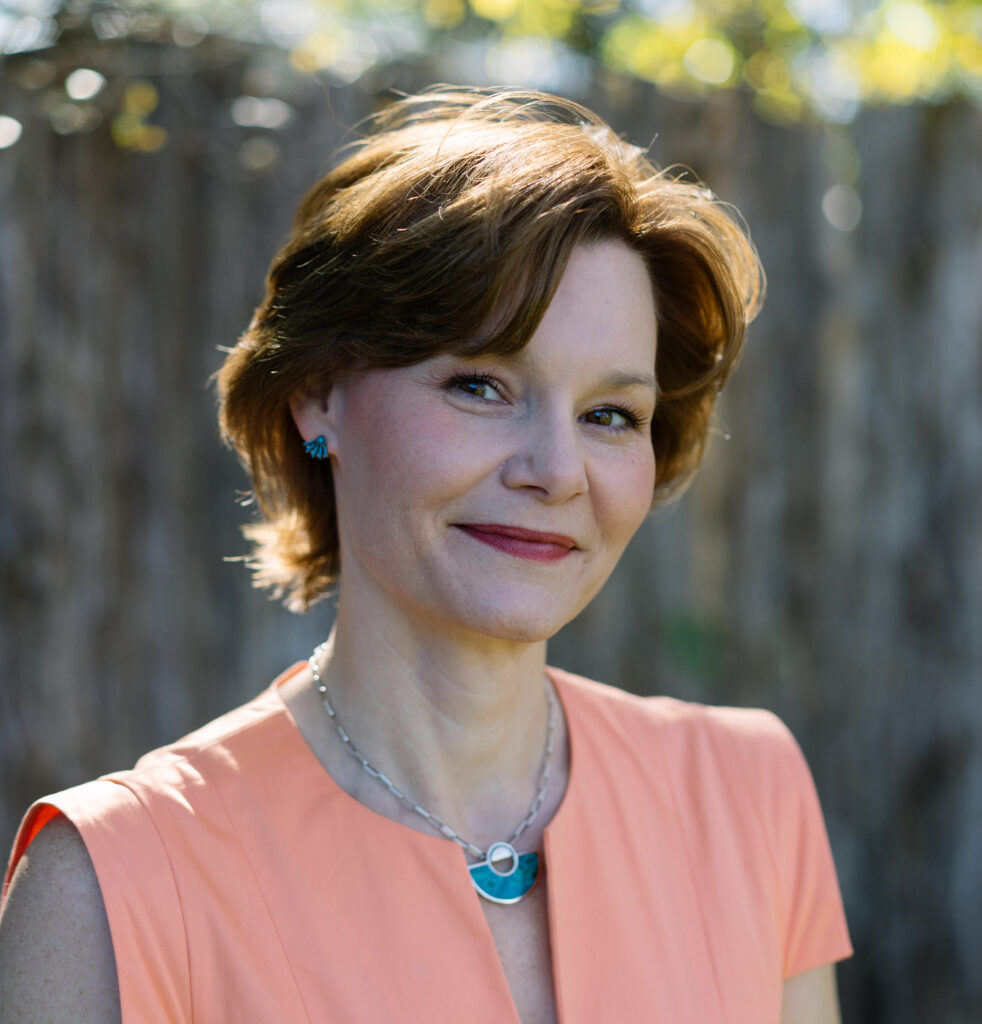
Nicole Holt serves as CEO of Texans for Safe and Drug-Free Youth (TxSDY)—a statewide non-profit dedicated to creating healthier and safer communities where alcohol, tobacco, and other drug use have no place in the lives of youth. During Nicole’s more than 15 years in this role, TxSDY has greatly expanded its capacity to train and support coalitions across Texas and honed its ability to advocate for policy change at the state and local levels. She is also the Co-Chair of Austin Drug-Free Youth Coalition. Nicole began her career working for National Wildlife Federation’s Campus Ecology Program. At 24, she built a national program for faith-based college students to address environmental issues, including an annual “Rescue God’s Creation” lobby day in D.C. – the first of its kind. She has also worked on presidential campaigns. She is former Chair, and a founding member, of the U.S. Alcohol Policy Alliance, a graduate of Leadership Women Texas and Leadership Women America. She serves on the State Impaired Driving Taskforce and is a member of the Legislative and Education & Prevention committees. She is co-chair of the Austin Impaired Driving Action Team’s (IDAT) Education & Policy workgroup.
The first in her family to graduate from college and a 6th generation Texan, Nicole was a Presidential Scholar at Grayson County Community College, graduating with an Associates of Science. Nicole went on to receive a Bachelor of Arts with an emphasis on poverty, political science and environmental policy from Luther College in Decorah, Iowa.
Session: Enforcing SB 2024: Community–Law Enforcement Collaboration to Prevent Youth Access to Intoxicating Vape Devices
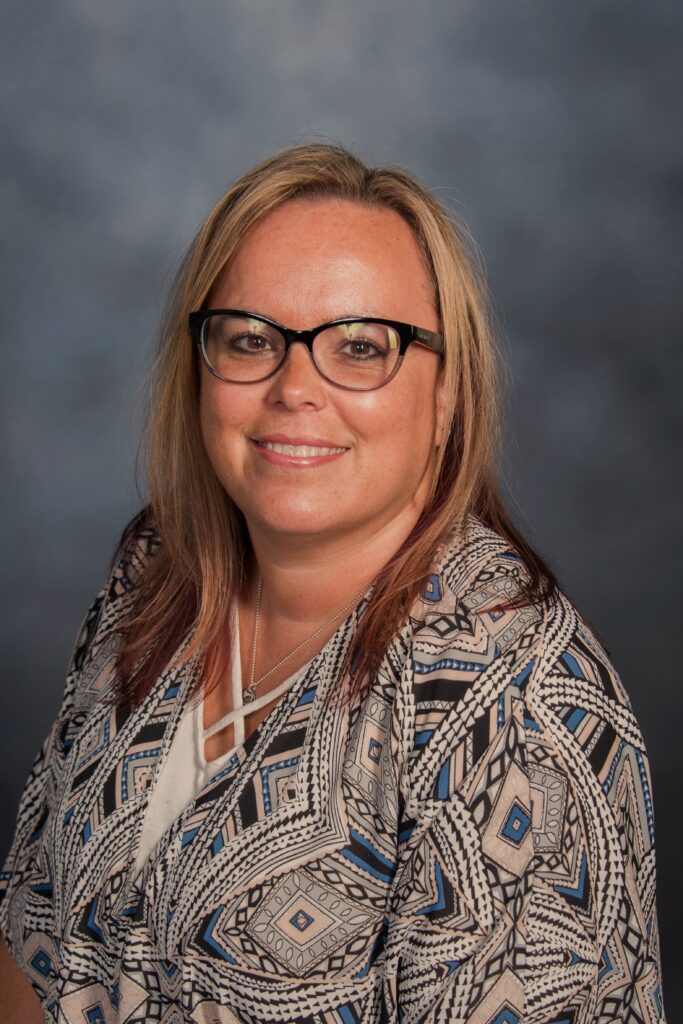
Amity Jeffries received her Bachelor of Science in Criminal Justice, with a minor in Sociology, from Central Missouri State University in 1996. Mrs. Jeffries worked in the private sector as a Legal Assistant prior to her tenure with the State of Missouri. Amity has been with the Missouri Department of Transportation (MoDOT) since 2008, and with the Highway Safety & Traffic Division of MoDOT since 2018. During her time with this Division, she has been successful in writing grant applications to receive external funding for several projects, including Missouri’s State Judicial Outreach Liaison Program, the Law Enforcement Phlebotomy Program (LEPP), Green Labs Project, and Ride-Share Projects. Amity oversees National Highway Traffic Safety Administration (NHTSA) grants relating to Impaired Driving and Older Drivers. Amity also facilitates meetings for the Missouri Coalition for Roadway Safety’s Impaired Driving Subcommittee.
Session Description: Statewide Responses to Drug and Polysubstance‑Impaired Driving
This panel brings together administrators from statewide impaired‑driving task forces to examine emerging challenges and coordinated responses to drug and polysubstance‑impaired driving. Panelists will discuss current statewide strategies, data‑informed approaches, cross‑agency collaboration, and promising practices aimed at reducing impairment‑related crashes. Attendees will gain practical insights into how states are adapting policies, training, and public‑health initiatives to address the growing complexity of multi‑substance impairment on today’s roadways.
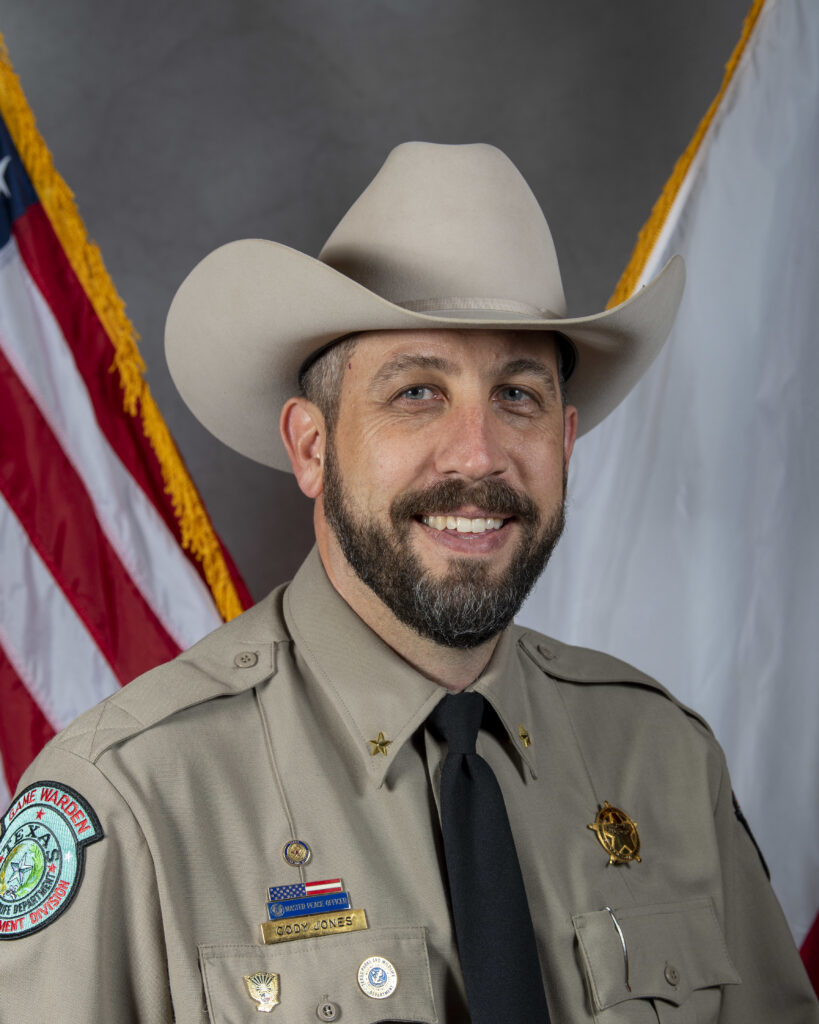
A native Texan and a Texas Game Warden, Assistant Commander Cody Jones has distinguished himself as a dedicated leader in the field of recreational boating safety and has served as the state’s boating law administration for the past 15 years. With over 25 years in law enforcement and 23 years of service at the Texas Parks and Wildlife Department, he has been instrumental in advancing regulations and education related to boating safety among many other law enforcement initiatives. Additionally, his tenure in several national leadership roles to include as Chairman of the National Association of State Boating Law Administrators (NASBLA) as well as his service on the US Coast Guard’s Boating Safety Advisory Committee, have been marked by significant achievements in the advancement of boating safety and education.
A graduate of Sul Ross State University and the University of Virginia, Assistant Commander Jones holds a master’s degree in public safety administration and has earned numerous state and national leadership accolades. Assistant Commander Jones is also a graduate of the 282nd FBI National Academy, a world-renowned training program at the FBI Academy in Quantico, Virginia which is a cornerstone of excellence, fostering international law enforcement leadership and cooperation. Attendees to this program are considered to be among the elite in their field.
Session: Strengthening Safety on the Water: Enforcing Boating While Intoxicated Laws
Alcohol continues to be a leading contributor to fatal boating incidents, making sober operation essential for protecting everyone on the water. This session underscores the importance of recognizing impairment risks in all recreational boating settings. Participants will learn about the national Operation Dry Water campaign, which enhances public awareness and supports heightened enforcement efforts around boating under the influence. Agencies across the state are encouraged to join this coordinated initiative to reduce preventable tragedies. The session will also highlight the growing adoption of Seated Standardized Field Sobriety Tests (SFSTs)—validated tools designed specifically for marine environments where traditional standing tests are impractical. Ongoing statewide efforts to educate judges and prosecutors about the reliability and evidentiary strength of seated SFSTs will be discussed, helping ensure consistent, science‑backed approaches to BWI enforcement.
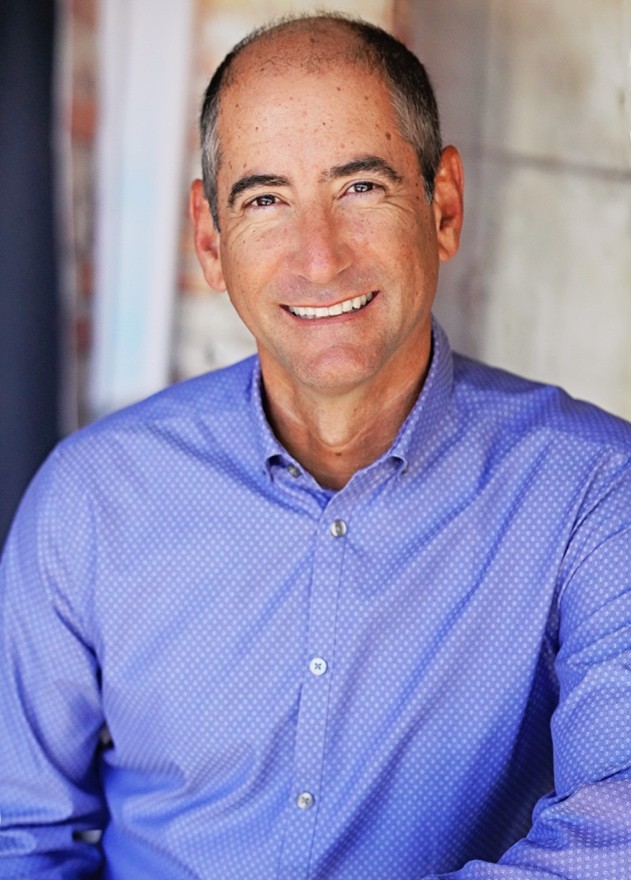
Dr. Jim Lange is Executive Director of the Higher Education Center for Alcohol and Drug Misuse Prevention and Recovery, an academic center of The Ohio State University. But he lives in San Diego where he is San Diego State University’s Coordinator of Alcohol and Other Drug Initiatives. His expertise in campus prevention efforts is based upon over 20 years at SDSU, and over 25 years of prolific, funded research in the field of AOD prevention. He’s credited with over 80 peer-reviewed and scholarly publications, and over 200 conferences, and invited guest presentations. Dr. Lange has also spearheaded statewide and local coalitions, along with other major prevention initiatives. Through the HECAOD, Dr. Lange has three impaired driving funded projects in Ohio, Washington, DC, and a national collegiate program with a grant from the NHTSA. He has served in leadership roles within the collegiate prevention field, including as the executive committee co-chair of The Network Addressing Collegiate Alcohol Other Drug Issues, and continues to serve on SAMHSA’s Prevention Technology Transfer Center Network, Advisory Board. Dr. Lange received his Ph.D. in Social Psychology at the University of Maryland, College Park, and his BA in Psychology and Studio Art at Pitzer College.
Session(s): Impaired Driving Countermeasures, for At-Risk Drivers
This session highlights targeted strategies to reduce impaired driving among high‑risk populations. Drawing from specialized research and on‑the‑ground prevention efforts, presenters will explore the unique risk factors, cultural influences, and intervention opportunities within these populations. Featured panelists include Tara Osborn, Military Judicial Fellow, who will share insights on prevention and accountability within military systems, and Jim Lange, who has developed a survey tool specifically designed to assess substance use and impaired‑driving behaviors among college students. Together, they will provide practical, evidence‑informed approaches that prevention stakeholders can apply within campuses, installations, and community partnerships.
Readiness, Risk, and Response: A Comprehensive Approach to Collegiate Impaired Driving
College campuses face increasing challenges related to student road use, including impaired driving, micro‑mobility risks, and gaps in readiness to address these concerns. This session provides practical tools to help institutions assess and respond to impaired‑driving behaviors through clear, data‑driven strategies. Attendees will learn how to conduct an environmental scan to identify road‑use risks, apply the strategic measurement matrix, and gather actionable data using simple, campus‑friendly methods. The session also highlights micro‑mobility safety concerns, alcohol‑ and drug‑related road‑use behaviors, and common prevention programs on college campuses. Additionally, participants will learn how to access educational resources from the Higher Education Center for Alcohol and Other Drug Misuse Prevention and Recovery (HECAOD) to strengthen impaired‑driving prevention efforts. By the end of the session, attendees will be equipped to identify priorities and enhance collegiate road‑use safety.
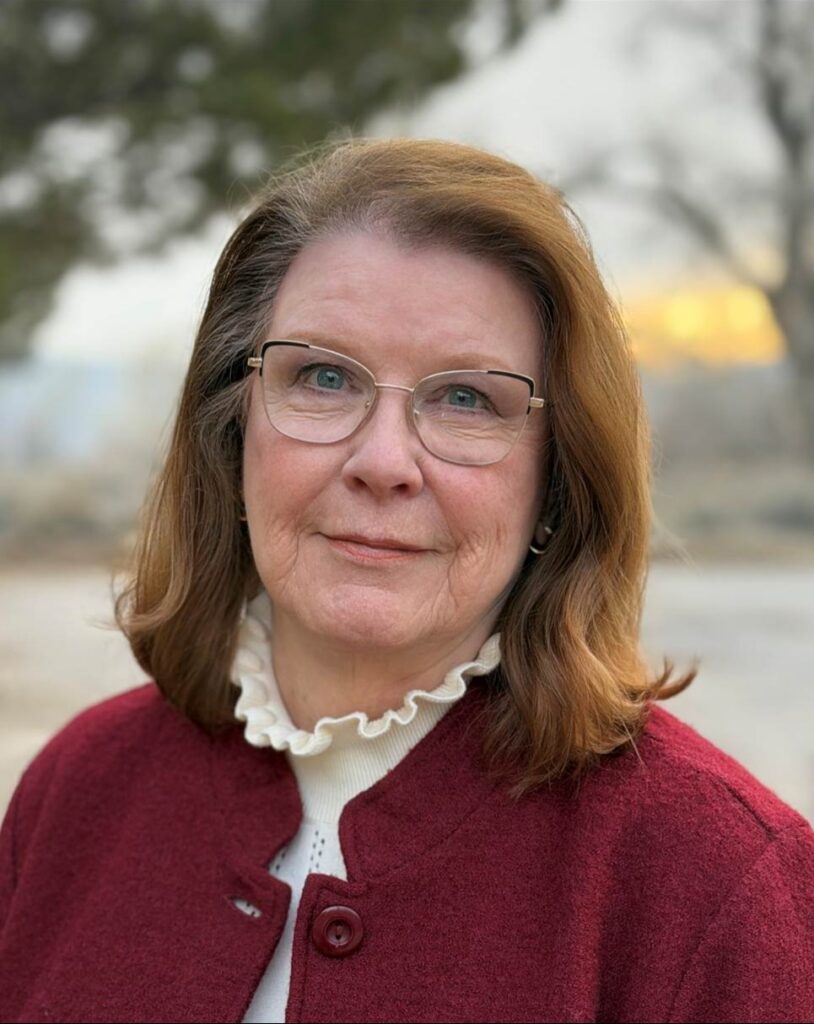
Meg Matta has managed Nevada’s Impaired Driving Program at the Office of Traffic Safety, Department of Public Safety for the past six years. Previously she served nine years as a Health Program Specialist with Nevada’s Bureau of Behavioral Health, Wellness and Prevention where she gained certification as a Prevention Specialist. During these fifteen years with the State of Nevada, her focus has been on substance abuse and impaired driving prevention. Previously, she spent 25 years in the private sector building expertise in program management and strategic planning.
Session Description: Statewide Responses to Drug and Polysubstance‑Impaired Driving
This panel brings together administrators from statewide impaired‑driving task forces to examine emerging challenges and coordinated responses to drug and polysubstance‑impaired driving. Panelists will discuss current statewide strategies, data‑informed approaches, cross‑agency collaboration, and promising practices aimed at reducing impairment‑related crashes. Attendees will gain practical insights into how states are adapting policies, training, and public‑health initiatives to address the growing complexity of multi‑substance impairment on today’s roadways.
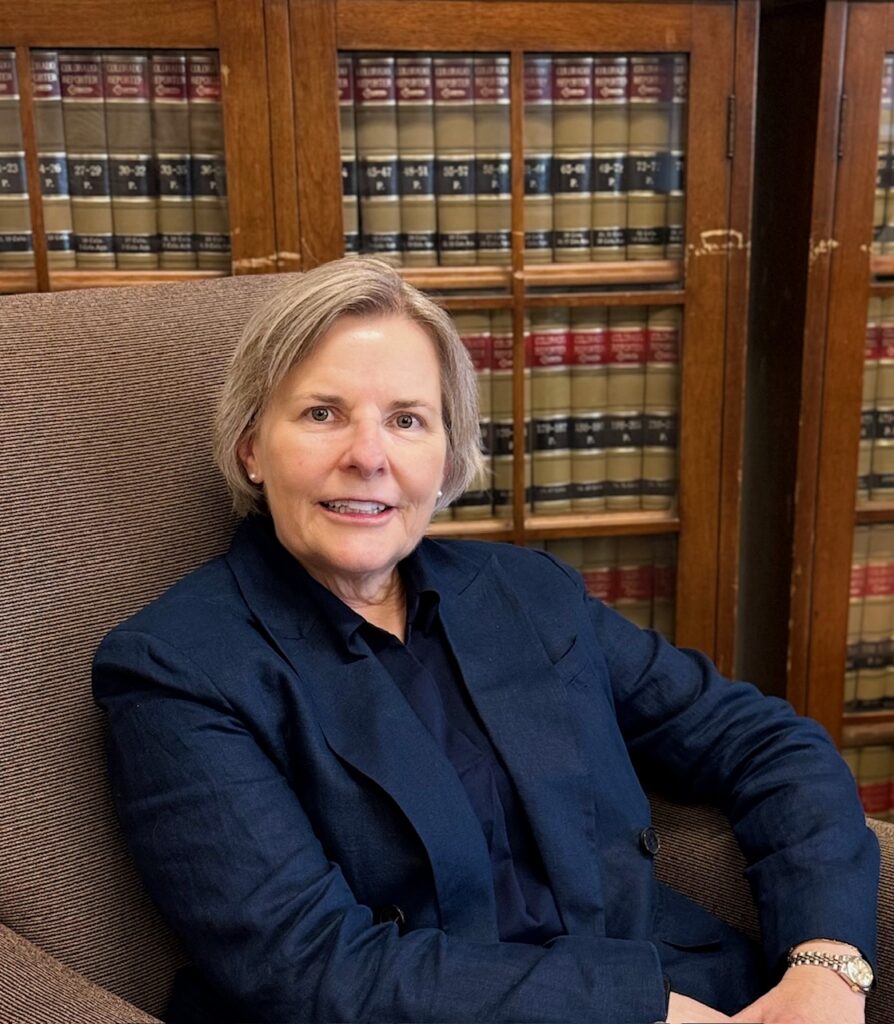
Tara Osborn is a retired Army colonel, combat veteran, and military lawyer who served as the 21st Chief Trial Judge of the U.S. Army. She presided over felony and capital courts-martial, led all active duty and reserve judges of the Army Trial Judiciary, and oversaw judicial operations at military installations worldwide. She brings more than three decades of legal, judicial, and senior leadership experience in U.S. Government service to her current roles on the faculty of the National Judicial College at the University of Nevada and as the American Bar Association’s National Military Judicial Fellow. She has taught extensively in cooperation with the National Highway Traffic Safety Administration on the unique issues facing judges in servicemember impaired driving cases. She holds degrees from the University of South Carolina, the University of Virginia, and the U.S. Army Judge Advocate General’s School, and completed Harvard Law School’s Professional Certificate in Judicial Executive Leadership.
Session: Impaired Driving Countermeasures, for At-Risk Drivers
This session highlights targeted strategies to reduce impaired driving among high‑risk populations. Drawing from specialized research and on‑the‑ground prevention efforts, presenters will explore the unique risk factors, cultural influences, and intervention opportunities within these populations. Featured panelists include Tara Osborn, Military Judicial Fellow, who will share insights on prevention and accountability within military systems, and Jim Lange, who has developed a survey tool specifically designed to assess substance use and impaired‑driving behaviors among college students. Together, they will provide practical, evidence‑informed approaches that prevention stakeholders can apply within campuses, installations, and community partnerships.
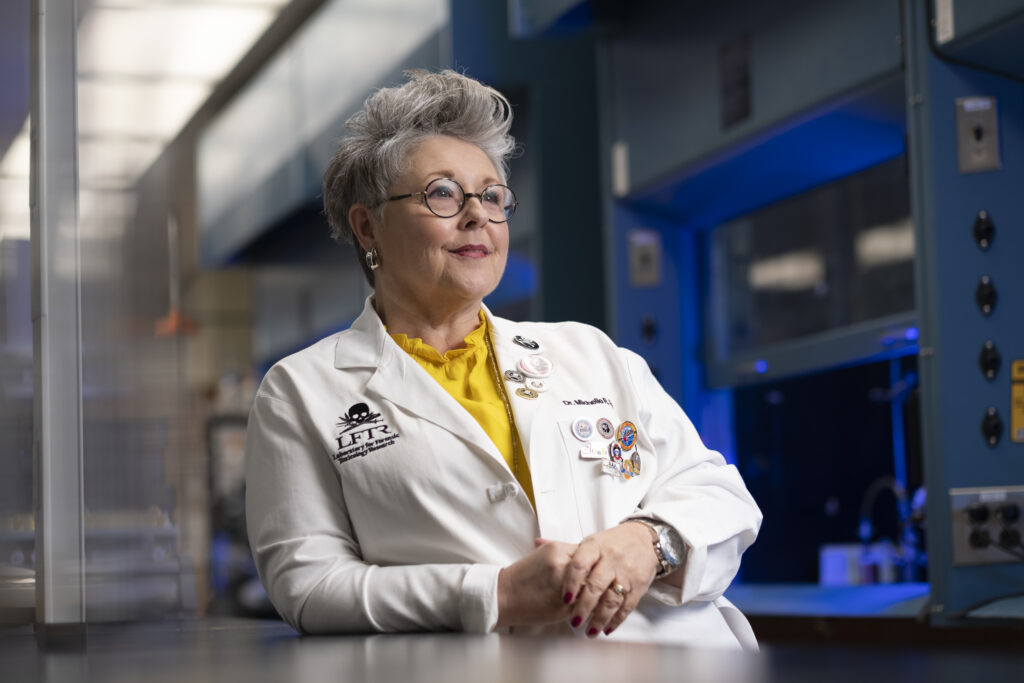
Dr. Peace is an internationally recognized forensic toxicologist and a Full Professor in Department of Forensic Science at Virginia Commonwealth University. Her research evaluates the efficacy of e-cigarettes, the proliferation of THC analogs, and ethanol pharmacokinetic variability in a diverse population. Her research has highlighted emerging issues of e-cigarettes as a tool for vaping drugs other than nicotine and the emerging synthetic cannabinoid analogs in unregulated cannabis marketplaces. She is also funded by the VA Foundation for Healthy Youth to analyze vaping products confiscated on school properties across Virginia.
Dr. Peace is a Past President of the Society of Forensic Toxicologists, a member of The International Association of Forensic Toxicologists, and a Fellow in the American Academy of Forensic Sciences. She is a member of the National Safety Council’s Alcohol, Drugs, and Impairment Division. She was recognized by VCU for Distinguished Mentoring and nationally for Outstanding Contributions to Forensic Toxicology by the American Academy of Forensic Sciences and Excellence in Teaching and Mentoring by the Society of Forensic Toxicologists. Her work has been highlighted in mainstream media, such as CNN, The New York Times, Discover Magazine and the American Chemical Society’s Chemical & Engineering News.
Session Description: Myths in the Mist? The Impact of Vaping Ethanol and Other Solvents for Roadside Investigations and Forensic Toxicology
Vaping products have been reported to contain solvents such as ethanol and ethyl acetate. Published data has shown that use of an ethanol containing e-liquid may result in the detection of ethanol by preliminary breath test (PBT) if no wait period is observed (>5min). Ethyl acetate is a common industrial solvent that also is used as a flavoring chemical. Ethyl acetate converts to ethanol rapidly (<5min). Casework involving use of an e-liquid containing ethyl acetate and the subsequent detection of ethanol by PBT (0.019%) will be discussed. A clinical study was conducted to determine if vaping ethanol will impact the standardized field sobriety test, the preliminary and evidentiary breath tests, the pharmacokinetics (peak blood alcohol concentration, elimination), and the formation of ethanol biomarkers in blood, urine, and oral fluid that are used in clinical and forensic testing.
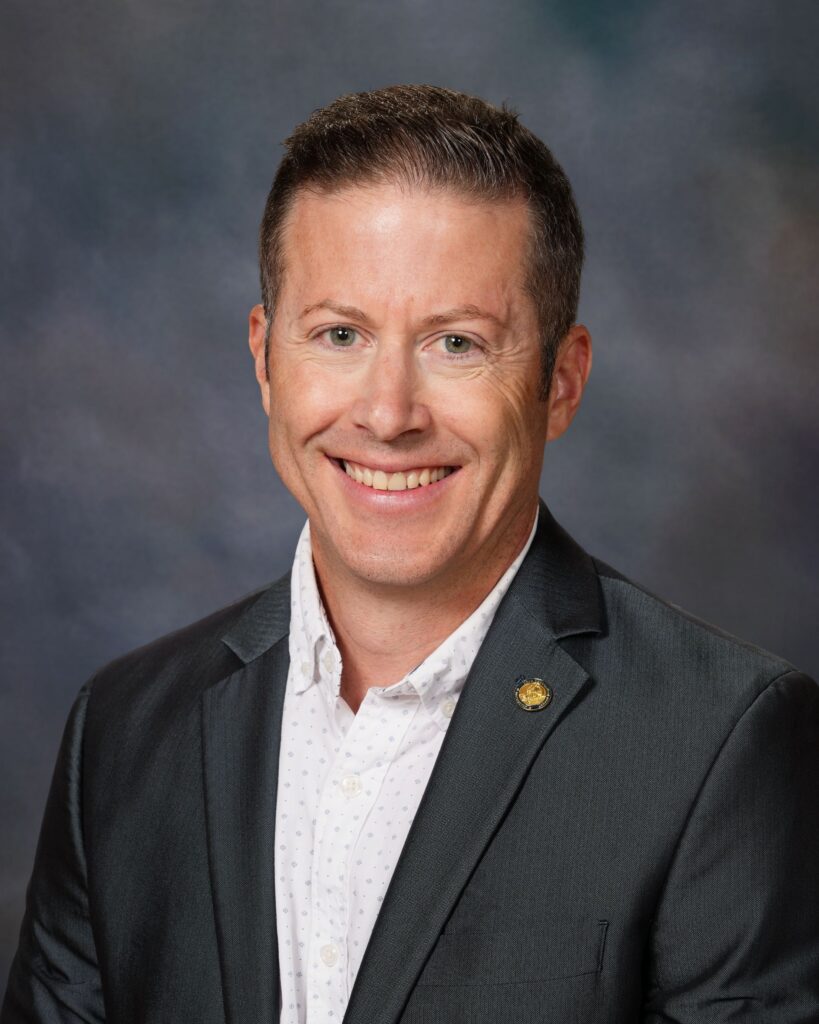
Jay is a graduate of the SI Newhouse School of Public Communications at Syracuse
University. In addition to his award-winning career work as a Drug Recognition Expert (DRE) and DRE Instructor for the Vermont State Police (retired in 2024), he has served as adjunct faculty in the Community College of Vermont (CCV) network where he taught courses in Effective Speaking, Intercultural Communication, and Conflict Resolution. During this time, he received the College’s prestigious student and faculty nominated “Teaching Excellence Award.” He has worked as a communications and conflict expert in the development of college courses to improve workplace communication and conflict management. Jay designed and implemented a roadside communication program that was adopted by the Vermont State Police and the Vermont Criminal Justice Council as required training for all uniformed Troopers and all Vermont Field Training Officers. Jay is recognized as an expert presenter while presenting statewide, regionally, and nationally on several topics ranging from recognizing drug use and impairment to enhancing communication skills.
Session Description: Microexpressions – Recognizing nonverbals to further investigations
Like nystagmus is the involuntary jerking of the eye, microexpressions are the involuntary facial expressions and body language that communicate one’s true feelings in the moment. During roadside encounters, calls for service, and interviews, too often we leave clues and indirect admissions unharvested. This is not because we intend to, but because we don’t detect the nonverbal language, emotions, and deceptions being subtly communicated in front of us. This workshop introduces and educates attendees to the world of full-spectrum communications with an emphasis on nonverbal strategies. The body language of others, and how we use our body language to enhance conversation will be discussed against a diverse plethora of real-world, original video exemplars. Practical application of these skills in policing, critical testimony and courtroom presentation, and our day-to day social interactions are included. Excellent workshop for communicators of all skill levels and backgrounds.